Why Generic Routines Fail: The Power of Personalized Workout Plans
Introduction
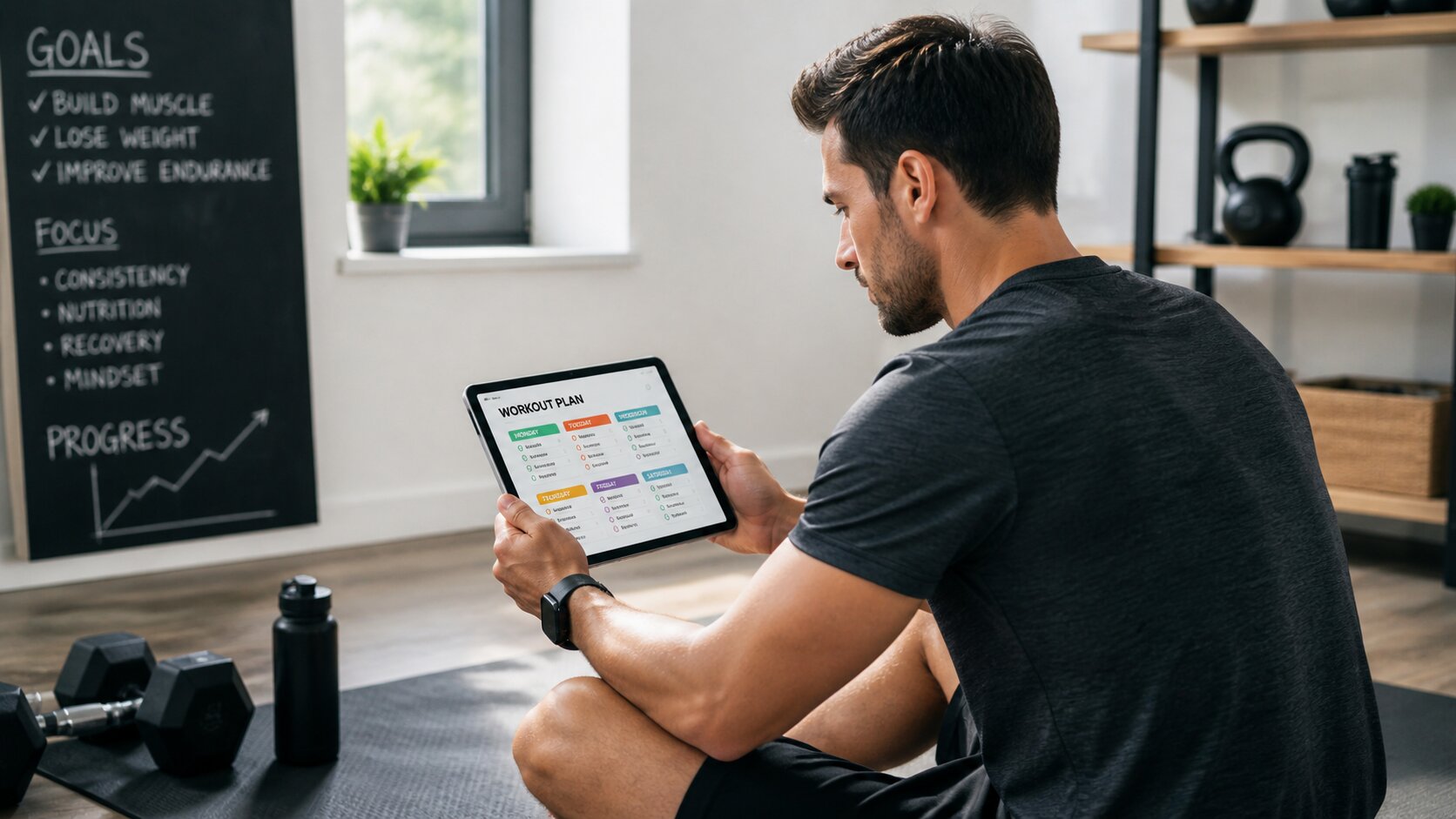
In today's world, fitness is more than just a trend; it's a lifestyle. As people become more health-conscious, the demand for effective workout plans has skyrocketed. One of the most effective ways to achieve fitness goals is through personalized workout plans. These plans are tailored to meet individual needs, preferences, and goals, making them far more effective than generic routines. Imagine trying to fit into someone else's shoes. It's uncomfortable, right? The same goes for workout plans. Generic plans often overlook personal factors like fitness levels, injuries, and time constraints. This is why personalized workout plans are gaining popularity. They offer a unique approach to fitness that considers your specific situation, making it easier to stay motivated and achieve your goals. By tailoring workouts to what works best for you, a personalized plan can help improve your consistency. Studies show that people who follow tailored plans are more likely to stick with them, leading to better results. Whether you're looking to lose weight, build muscle, or just stay active, a personalized workout plan can make all the difference. So, how do you get started? In the following sections, we'll explore the components of a personalized workout plan, why they work better than generic plans, and how you can create one that fits your lifestyle. Get ready to take your fitness journey to the next level!
What is a Personalized Workout Plan?
A personalized workout plan is a fitness routine designed specifically for you. Unlike generic workout plans that you might find online or in magazines, a personalized plan takes into account your individual goals, fitness levels, and personal preferences. This means that the exercises, intensity, and frequency are all tailored to fit your unique needs. So, why is this important? Think about it: if you're trying to build muscle but follow a plan meant for someone trying to lose weight, you might not see the results you want. Personalized plans help you focus on what matters most to you and your body. They are built to help you succeed.
Key Components of a Personalized Workout Plan
Creating a personalized workout plan involves several key components:
- Individual Goals: What do you want to achieve? Whether it's losing weight, building strength, or improving endurance, your goals will shape your workout plan. Setting clear objectives can help keep you motivated and on track.
- Fitness Levels: Everyone starts at a different place. A personalized plan takes into account your current fitness level, whether you're a beginner or more advanced. This ensures that the workouts are challenging yet achievable.
- Personal Preferences: Do you prefer working out at home or in a gym? Are there specific exercises you enjoy or dislike? Including your preferences makes it more likely that you'll stick with your routine. If you love running but hate lifting weights, your plan can focus more on cardio while still incorporating some strength training.
By combining these components, a personalized workout plan not only helps you reach your fitness goals but also makes the journey enjoyable. It's like having a roadmap that guides you to your destination while considering the best routes for you. In the next section, we'll dive deeper into why generic workout plans often fall short and how personalization can lead to better results.
Why Generic Plans Fail
While generic workout plans may seem convenient, they often miss the mark when it comes to helping individuals achieve their fitness goals. These one-size-fits-all approaches tend to overlook the unique needs and circumstances of each person, leading to various pitfalls.
Common Issues with Generic Plans
Here are some common issues that people face when following generic workout plans:
- Ignoring Individual Differences: Each person has different fitness levels, goals, and even physical limitations. A plan that works for one person may not work at all for another. For instance, if someone has a previous injury, a generic plan that includes specific movements could lead to pain or further injury.
- Time Constraints: Life can be busy, and not everyone has the same amount of time to dedicate to workouts. Generic plans often assume that you can commit a certain number of hours each week, which might not be realistic for everyone. This can lead to frustration and a feeling of failure when you can't keep up.
- Lack of Motivation: If a workout plan doesn't align with your interests or preferences, it can be hard to stay motivated. Many generic plans include exercises that people find boring or unenjoyable. When you're not excited about your workouts, it's easy to skip them or give up entirely.
On the other hand, personalized workout plans can significantly improve your chances of success. Here's how:
Benefits of Personalization
- Better Adherence: Studies show that personalized plans can lead to better adherence. When workouts are tailored to your goals and preferences, you're more likely to stick with them. This means you'll be consistent in your efforts, which is key to seeing results.
- Improved Results: Personalization leads to better outcomes because the workouts are designed specifically for you. When exercises align with your individual goals, whether it's building strength or losing weight, you're more likely to achieve them.
By focusing on your unique needs and circumstances, personalized workout plans help you avoid the common pitfalls of generic plans. They make exercising not just a task, but a fulfilling part of your life. In the next section, we'll explore the power of personalization and how it can enhance your fitness journey.
The Power of Personalization
Personalized workout plans hold incredible power when it comes to enhancing both the effectiveness and enjoyment of your fitness journey. By tailoring workouts specifically to you, these plans can make a significant difference in achieving your goals and staying motivated.
Setting Specific Goals
One of the first steps in creating a personalized workout plan is setting specific goals. This is where the SMART goals framework comes into play. SMART stands for:
- Specific: Clearly define what you want to achieve. Instead of saying, "I want to get fit," you might say, "I want to run a 5K."
- Measurable: Make sure you can track your progress. For example, "I want to increase my bench press from 100 lbs to 120 lbs in 8 weeks."
- Attainable: Set realistic goals that are challenging yet possible. If you've never run before, aiming for a marathon in a month might not be attainable, but a 5K could be.
- Relevant: Ensure your goals align with your interests and lifestyle. If you love swimming, setting a goal related to swimming would be more relevant than focusing on cycling.
- Time-bound: Give yourself a deadline. A goal like "I want to lose 10 pounds in 2 months" provides a clear timeframe to work towards.
By using the SMART framework, you can create goals that motivate you and provide a clear path to success.
Using Technology for Personalization
In our tech-savvy world, there are many tools available to help you create and follow a personalized workout plan. Apps and online platforms can provide guidance, track your progress, and adjust your workouts based on your feedback. For example, many fitness apps allow you to input your goals, current fitness level, and preferences to generate a customized workout plan just for you. At our domain, we offer tools and resources that can help you design your own personalized workout plan. These tools can make it easier to stay on track and see your progress, making fitness more enjoyable and effective.
In summary, the power of personalization lies in its ability to make your workouts more relevant and enjoyable. By setting specific goals and using technology to guide you, you can enhance your fitness journey and achieve the results you desire. In the next section, we will discuss how to establish your fitness starting point, which is crucial for creating an effective personalized workout plan.
Establishing Your Fitness Starting Point
Before diving into your personalized workout plan, it's crucial to know where you currently stand in terms of fitness. Assessing your current fitness levels helps you create an effective workout plan that matches your abilities and goals. This way, you can set realistic expectations and track your progress over time.
Conducting a Fitness Assessment
A simple at-home fitness assessment can provide valuable insights into your strengths and areas for improvement. Here are three key tests to help you evaluate your cardiovascular endurance, muscular strength, and flexibility:
- Cardiovascular Endurance Test:
What to do: Time yourself while walking or running a mile.
Why it matters: This test measures how well your heart and lungs work together during physical activity. - Muscular Strength Test:
What to do: Count how many push-ups you can do in 60 seconds.
Why it matters: This test evaluates your upper body strength and endurance, which are important for many daily activities. - Flexibility Test:
What to do: Perform the sit-and-reach test. Sit on the floor with your legs stretched out in front of you. Reach forward as far as you can and measure the distance.
Why it matters: Flexibility is essential for overall fitness and can help prevent injuries during workouts.
After completing these tests, take note of your results. This information will serve as your baseline, allowing you to create a personalized workout plan that is both challenging and achievable. By understanding your starting point, you can set specific goals and track your progress effectively. In the next section, we will discuss how to choose the right exercises that align with your goals and available equipment.
Choosing the Right Exercises
Now that you have established your fitness starting point, it's time to choose the right exercises that align with your goals and available equipment. Selecting the right exercises is crucial for staying motivated and making progress in your fitness journey.
Types of Exercises Based on Goals
Different fitness goals require different types of exercises. Here are some examples based on common goals:
- Muscle Growth (Hypertrophy): [
Exercises: Squats, deadlifts, bench presses, and overhead presses.
Focus: These exercises help build muscle mass and strength. - Fat Loss:
Exercises: High-Intensity Interval Training (HIIT), burpees, mountain climbers, and kettlebell swings.
Focus: These workouts are designed to burn calories and boost metabolism. - Functional Strength:
Exercises: Lunges, farmer's walks, and bodyweight rows.
Focus: These movements improve your ability to perform everyday activities with ease.
By selecting exercises that match your specific goals, you can create a more effective and enjoyable workout plan.
Equipment Considerations
When choosing exercises, it's also essential to consider the equipment you have available. Here's how to adapt your workouts based on what you can access:
- Full Gym Access: If you have access to a gym, you can mix heavy barbell lifts with machine work for a comprehensive workout. This allows you to target various muscle groups more effectively.
- Dumbbells Only: If you only have dumbbells, you can still achieve effective full-body workouts. Focus on compound movements like dumbbell squats, lunges, and shoulder presses to maximize your results.
- Bodyweight Only: If you prefer to work out at home without equipment, bodyweight exercises can be very effective. Push-ups, squats, and planks can help build strength and endurance without needing any gear.
By considering both your goals and the equipment you have, you can create a workout plan that is tailored specifically to you. In the next section, we will discuss how to structure your workouts for maximum effectiveness.
Understanding Workout Structure
Now that you have selected your exercises, it's important to understand how to structure your workouts effectively. A well-structured workout plan includes the right balance of sets, reps, and rest, which can significantly impact your results.
Building Your Weekly Workout Schedule
Creating a balanced weekly workout schedule is essential for achieving your fitness goals. Here are some tips to help you get started:
- Frequency: Decide how many days a week you want to work out. Most people benefit from exercising 3 to 5 times per week. This allows for a mix of workout types while giving your body time to recover.
- Variety: Include a mix of cardiovascular, strength, and flexibility workouts in your schedule. For example, you might do strength training on Mondays and Thursdays, cardio on Tuesdays and Fridays, and flexibility exercises on Wednesdays.
- Rest and Recovery: Don't forget to schedule rest days. Rest is crucial for muscle recovery and growth. Aim for at least one full rest day each week, and listen to your body. If you feel fatigued, consider taking an extra rest day.
By creating a balanced schedule, you can ensure that you're working different muscle groups while allowing your body enough time to recover.
Introducing Progressive Overload
Another key element of a successful workout plan is progressive overload. This means gradually making your workouts more challenging to ensure continued progress. Here's how to implement it:
- Increase Weight: If you're lifting weights, gradually increase the amount of weight you use as you get stronger. This helps build muscle and improve strength.
- Add More Reps or Sets: If you're doing bodyweight exercises, try to increase the number of repetitions or sets over time. For example, if you start with 10 push-ups, aim for 12 or 15 as you get stronger.
- Decrease Rest Time: As your fitness improves, try to shorten the rest periods between sets. This can help increase the intensity of your workouts.
By incorporating progressive overload into your routine, you'll keep challenging your body, which is essential for making gains and avoiding plateaus. With a well-structured workout plan that includes a balanced schedule and progressive overload, you'll be well on your way to achieving your fitness goals. In the next section, we will explore how to track your progress effectively to stay motivated and make necessary adjustments to your plan.
Tracking Your Progress
Tracking your progress is an essential part of any fitness journey. It helps you stay motivated and allows you to see how far you've come. By keeping an eye on your improvements, you can make necessary adjustments to your workout plan to ensure continued progress.
Tools for Tracking Workouts
There are many tools and methods available for logging your workouts. Here are some popular options:
- Fitness Apps: Many apps allow you to track your workouts, set goals, and monitor your progress. Some popular options include MyFitnessPal, Fitbit, and Strava. These apps can help you log exercises, track calories, and even connect with friends for added motivation.
- Workout Journals: If you prefer a more traditional approach, consider keeping a workout journal. Write down your exercises, sets, reps, and any notes about how you felt during the workout. This can help you identify patterns and areas for improvement.
- Online Platforms: Our domain also offers tools to help you create personalized workout plans and track your progress. These resources can make it easier to stay organized and focused on your goals.
Beyond Workout Logs
While logging your workouts is important, there are other metrics that can provide valuable insights into your progress:
- Body Measurements: Track changes in your body measurements, such as your waist, hips, chest, and arms. This can help you see how your body is changing, even if the scale doesn't move as quickly as you'd like.
- Progress Photos: Taking regular photos can be a powerful way to visualize your progress. Snap a picture every few weeks in similar lighting and clothing to see how your body transforms over time.
By combining workout logs with these additional metrics, you'll have a comprehensive view of your progress. This will help keep you motivated and focused on your fitness journey. In the next section, we will address common questions about personalized workout plans to help you navigate any challenges you may encounter.
Common Questions About Personalized Workout Plans
As you embark on your journey with a personalized workout plan, you may have some questions along the way. Here are answers to some common queries that can help you create and maintain an effective fitness routine.
How to Choose Exercises
Choosing the right exercises is crucial for reaching your fitness goals. Start by considering what you want to achieve. If your goal is to build muscle, focus on strength training exercises like squats, deadlifts, and bench presses. For fat loss, incorporate high-intensity workouts such as burpees and kettlebell swings. If you aim for functional strength, include movements like lunges and bodyweight rows. Always listen to your body and pick exercises that you enjoy. If you dislike running, try cycling or swimming instead. The more you enjoy your workouts, the more likely you are to stick with them!
Dealing with Plateaus
Hitting a plateau can be frustrating, but it's a normal part of any fitness journey. If you find that you're no longer making progress, it may be time to shake things up. Here are some tips to overcome plateaus:
When to Change Your Plan
- Change Your Routine: Switch up your exercises, sets, or reps. If you usually do three sets of 10 reps, try increasing to four sets or changing the number of reps.
- Increase Intensity: Add more weight to your lifts or decrease your rest time between sets.This can help your body adapt and continue making progress.
- Focus on Form: Sometimes, improving your technique can lead to better results. Take time to ensure your form is correct before increasing weights or intensity.
It's important to give your workout plan time to work. Generally, you should stick with a plan for about 4 to 8 weeks before making significant changes. This allows your body to adapt and progress toward your goals. However, if you find yourself feeling bored or unmotivated, it might be time to switch things up sooner. Keep an eye on your progress. If you notice that you're no longer seeing improvements or you're consistently feeling fatigued, it could be a sign that your body needs a change. By addressing these common questions, you can navigate the challenges of creating and maintaining a personalized workout plan with confidence. In the next section, we will summarize the benefits of following a personalized workout plan and encourage you to take action on your fitness journey.
Conclusion
In summary, following a personalized workout plan offers numerous benefits that can enhance your fitness journey. By tailoring your workouts to your individual goals, fitness levels, and preferences, you can stay motivated and achieve better results. Personalized plans help you avoid the common pitfalls of generic workouts, ensuring that your exercise routine is effective and enjoyable. As you've learned, setting specific goals, selecting the right exercises, and understanding workout structure are all important components of a successful plan. Additionally, tracking your progress and being aware of how to deal with plateaus will keep you on the right path. Now is the time to take action! Explore personalized workout plan options that can help you reach your fitness goals. Our domain offers various tools and resources to assist you in creating a customized plan that fits your lifestyle and preferences. Don't wait any longer -start your journey towards a healthier and happier you today!