How Many Times a Week Should Beginners Work Out?
On this page
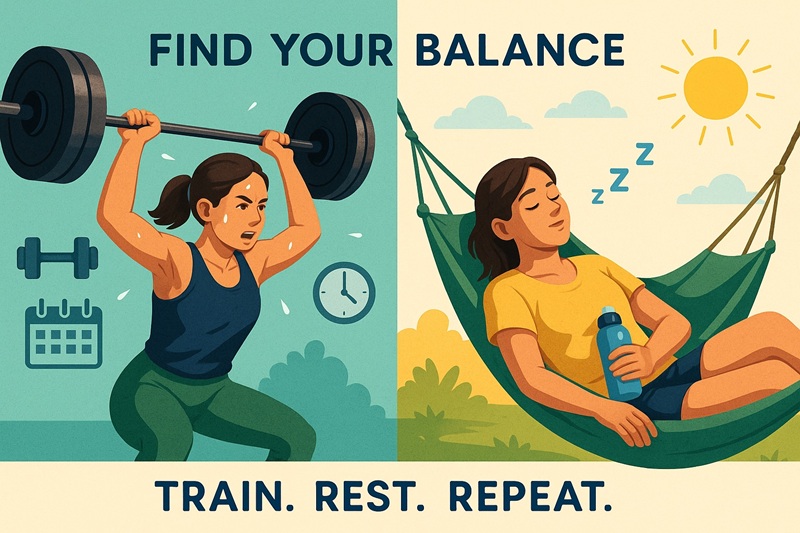
If you are new to exercise, two strength sessions per week is a practical starting example. Leave recovery time between sessions and add easy walking or other aerobic activity as it fits your week. The right amount depends on your current activity, schedule, and how you respond; there is no need to jump straight to a full guideline target.
A simple first-week schedule
Try this illustrative schedule for a generally healthy adult who is beginning with little regular activity:
- Monday: 15–25 minutes of basic full-body strength practice.
- Tuesday: Rest or a comfortable walk.
- Wednesday: Rest or ordinary light activity.
- Thursday: Repeat the strength session, or make it shorter if you are still recovering.
- Friday–Sunday: Choose comfortable walking or other movement on one or more days; take rest as needed.
The session lengths and placement above are examples, not official minimums. If two sessions feel like too much at first, begin with one short session and build toward two. CDC recommends starting slowly and increasing activity over time. CDC: start slowly and build.
How the general adult recommendation fits
CDC summarizes the general adult target as at least 150 minutes of moderate-intensity aerobic activity each week, plus muscle-strengthening activity on at least two days. Aerobic time can be accumulated in shorter bouts. This is a broad health recommendation, not a beginner’s first-week prescription; some activity is better than none, and progress can be gradual. CDC: adding physical activity as an adult.
Moderate intensity is an effort level, not a specific exercise. A brisk walk may count for one person; another person may need a slower pace to make it manageable. Start with an activity you can sustain and increase duration before making it much harder.
Strength training: leave room to recover
On a strength day, practice a few movements for the major areas of the body, such as a chair squat, wall push-up, hip bridge, and a simple trunk exercise. Use controlled repetitions and stop before your form breaks down. A second weekly session can repeat the same basics; beginners do not need a complicated split routine.
ACSM’s 2026 overview of resistance-training evidence emphasizes consistency and notes that many specific program variables do not consistently change results for the average healthy adult. The public-facing summary is aimed at healthy adults generally, so treat it as context rather than individualized coaching. ACSM: 2026 resistance-training position stand.
When to adjust the schedule
- If you are repeatedly too tired to complete ordinary daily tasks after training, reduce the session length or effort and leave more recovery time.
- If a week becomes busy, a shorter session or walk still counts as activity; resume your usual pattern when practical.
- If you have a chronic health condition, CDC advises asking a health professional about the types and amounts of activity that are right for you.
Frequently asked questions
Is working out every day necessary?
No. Daily exercise is not required to begin. Plan manageable activity across the week and include recovery between demanding strength sessions.
Can I work out two days in a row?
You can schedule different kinds or easier levels of activity on consecutive days. As a simple beginner approach, space challenging full-body strength sessions apart so you can see how you recover.
Should I meet 150 minutes in my first week?
That is the general adult weekly aerobic target in CDC guidance, not a pass/fail test for a beginner. Start with an amount that fits your current level, then build gradually. CDC guidance.